Markets have weather and climate.
Volatility is the weather—windy one day, still the next, a sudden storm at noon, blue skies by evening.
Long-term returns are the climate—averages that emerge over decades, slow-moving patterns shaped by productivity, demographics, innovation.
Confusing weather for climate is how investors get drenched.
Volatility is neither a villain nor a friend; it is a characteristic.
Prices move because information collides with emotion.
Earnings surprise, wars begin, policies shift, algorithms trip over each other, and all of it translates into bids and offers.
The tape is a living thing, twitchy and imperfect.
Expecting it to be smooth is like expecting the ocean to be flat.
The first discipline is measurement.
Know how volatile your portfolio can be.
A 100% equity allocation can swing 30–50% in dramatic years.
A balanced fund swings less.
Bonds cushion or, in certain regimes, wobble alongside.
If you set expectations honestly, fear shrinks.
Panic often blooms in the gap between what we imagined and what reality delivers.
The second discipline is design.
Diversification across sectors, geographies, and asset classes reduces the amplitude of weather.
It does not eliminate storms; it spreads them.
Owning uncorrelated assets—stocks, high-quality bonds, some cash—creates ballast.
Rebalancing harvests volatility’s energy: you trim what soared and add to what sank, buying low and selling high by rule rather than whim.
The third discipline is time.
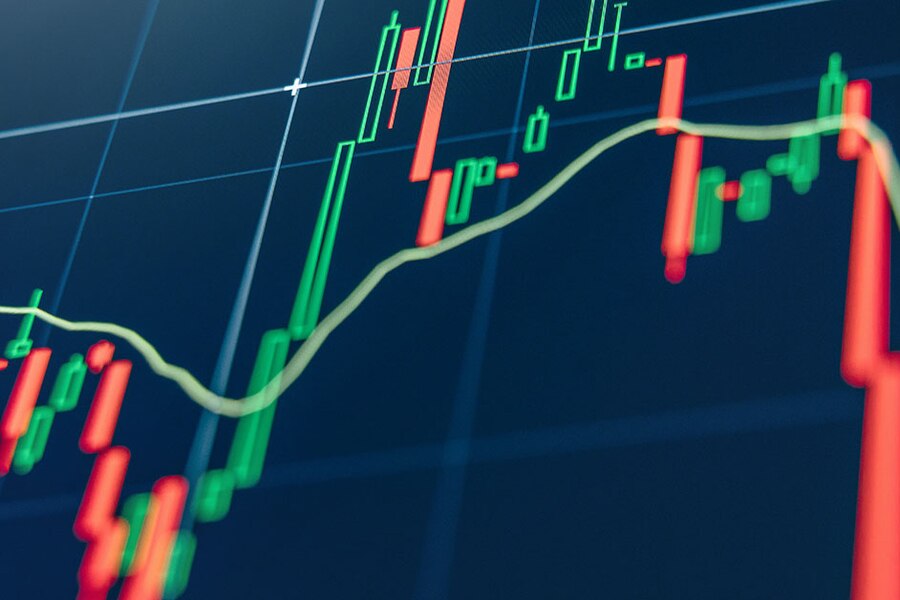
Volatility compresses focus into the present moment, where every move feels personal.
Stretch the frame.
Ask what this storm means in ten years.
Most daily fluctuations fade into statistical dust.
The urge to act is strong during squalls; the need to act is usually weak.
If you must do something, make it small—tighten spending, top up the emergency fund, write down your plan again.
Options, hedges, and trend strategies promise shelter.
Some deliver, some don’t, and all charge rent.
For most households, the best hedge against volatility is a combination of appropriate risk, adequate cash reserves, and a life that does not depend on a portfolio behaving perfectly every quarter.
There is freedom in not needing the market to be kind today.

Volatility has a psychological twin: narrative volatility.
Media cycles amplify swings, framing each move as signal.
Learning to consume financial news as weather reports—useful, not ultimate—will protect your mood.
You do not need to know every cloud’s name to carry an umbrella.
Remember that returns are the price you are paid for enduring volatility.
If markets were placid, yields would be low.
The premium accrues to those who can remain.
Endurance is a competitive advantage available to anyone willing to cultivate it.
Practice by ignoring small drops, then medium ones, and by celebrating your adherence to the plan more than your account’s daily balance.

Finally, cultivate non-financial shelters: friendships, hobbies, work that absorbs you.
When markets storm, having somewhere else to place your attention reduces the temptation to turn discomfort into costly action.
Weather will do what weather does.
Dress well, build a sturdy house, and keep a good book nearby.