Imagine a house without a foundation: beams proud and straight, windows that catch the morning light, a roof that sings in the rain.
It looks whole—until the earth stirs.
That is a family without an emergency fund.
The structure of your life can be elegant and well-planned, yet without a bedrock of cash, even small tremors become catastrophes.
An emergency fund is not a trophy; it is a basement.
:max_bytes(150000):strip_icc()/INV-your-emergency-fund-should-be-35k-v2-d4b20f19bee8423bbf920f7d8eb58a57.png)
It is not meant to impress anyone.
It is meant to be there.
Picture three to six months of essential expenses curled under your budget like a secret cat: warm, patient, uninterested in accolades.
The fund is a promise to your future self: we will not sell the car to buy antibiotics; we will not ask the landlord for mercy because the refrigerator died; we will not choose between a broken tooth and gas money.
It is a pledge of stability.
Where to keep it? Not where returns are a thrill.
Liquidity is its only romance.
A high-yield savings account, a money market fund, a short-term CD ladder—these are the functional drawers where a crisis sits quietly until called.
Do not tie emergency cash to stock market whim.
The day you need it is the day the market might be cruel.
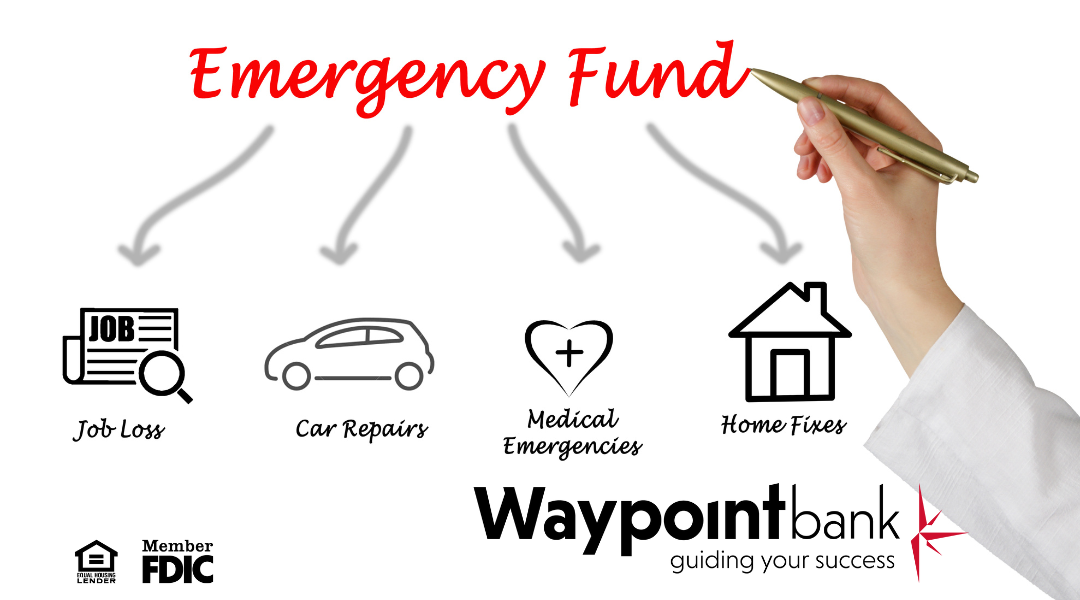
Funding it is an art of persistence.
Automate the contribution: weekly drips or monthly tides, named in your banking app like a ritual.
There will be months when the drip slows; let it.
The point is continuity.
Build the habit first, the balance second.
Celebrate small milestones—a thousand, then two, then enough to pay rent for a quarter.
Each milestone is a brick; the wall grows.
Insurance companions the fund.
Health insurance tempers medical shocks; renter’s or homeowner’s insurance catches falling appliances and unforeseen leaks; auto insurance shoulders fender-benders and deer in the dusk.
The emergency fund is the liquid early responder; insurance is the institutional cavalry.
They work together—one fast and flexible, one deep and formal.
The psychology is as crucial as the math.
An emergency fund turns an event into an inconvenience.
The difference feels like sanity.
When the phone clatters with bad news, you answer differently if you know the basement is sound.
Anxiety shrinks to an event horizon you can see past.
And when you see past it, you make better decisions: you don’t raid retirement accounts, you don’t panic-sell investments, you don’t take predatory loans.
There is a season for using it.
Use the fund only when the situation is both unexpected and necessary.
A sale on boots is not an emergency.
A water heater bursting at midnight is.
A surprise vacation is not an emergency.

A layoff is.
Guard the definition of “emergency” like a gatekeeper.
And when you do spend from it, replenish.
Make a ritual of rebuilding, a reminder that resilience is a practice.
In time, this fund becomes more than money.
It becomes confidence.
You walk through life with a slight, important looseness, like a sailor whose knots are well tied.
You drive a little kinder, you listen a little longer, your patience deepens.
You are not afraid of every sound in the night.
That is the architecture you’re building: a calm at the bottom of your life.